Five Poultry Dishes Every British Home Cook Should Have in Their Winter Repertoire
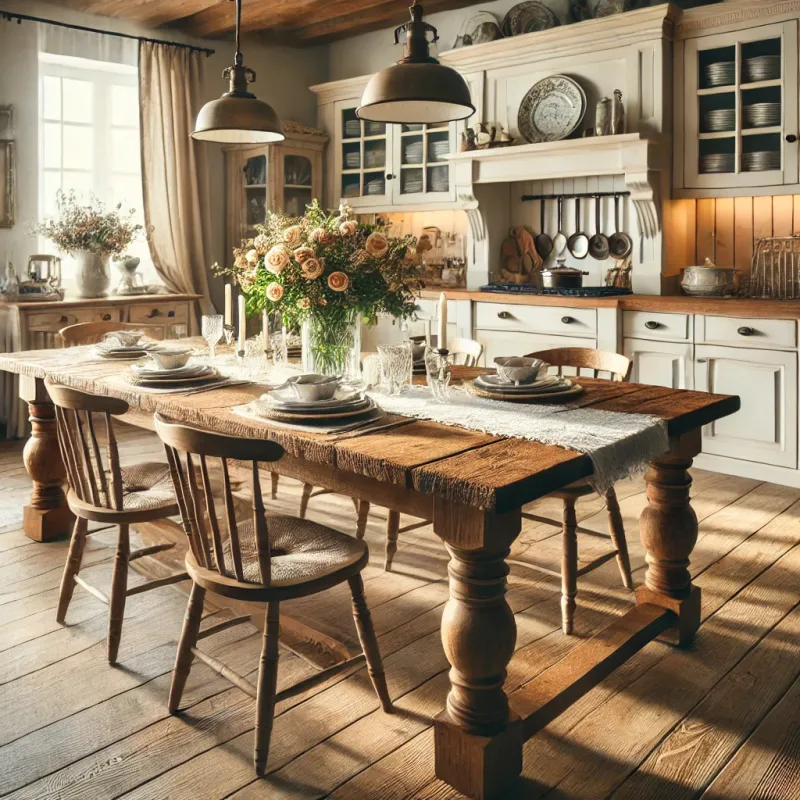
Photo: rustic winter roast chicken dinner table British farmhouse kitchen, via smartcooklab.com
Winter cooking has a particular logic to it. The cold demands dishes that are warming, substantial, and unhurried — food that rewards patience and fills the house with something worth coming home to. Poultry, in all its seasonal variety, is perfectly suited to this kind of cooking. A good bird, properly sourced and thoughtfully prepared, is one of the most versatile and satisfying ingredients a British home cook can work with during the colder months.
At Pleystowe Poultry, our birds are at their absolute best from autumn through to the end of winter. The cooler air, the seasonal feeds, and the slower pace of farm life during these months all contribute to meat with exceptional flavour and texture. Here are five dishes we think every home cook should have in their winter rotation — along with a few tips on choosing the right bird for each one.
1. Spiced Chicken Braise with Root Vegetables
The dish: Think of this as a British take on a warming, aromatic braise — chicken joints slow-cooked with onions, root vegetables, and a spice blend that draws on warming notes of cumin, coriander, smoked paprika, and a touch of cinnamon. It's deeply comforting without being heavy, and it improves considerably if made a day ahead.
The bird: For a braise like this, you want chicken with some character — legs and thighs from a free-range or heritage bird will hold up to the long, slow cooking far better than breast meat from an intensively reared bird, which tends to turn stringy and dry. At Pleystowe, our free-range chicken legs are ideal here; the higher fat content and denser muscle structure mean they stay tender and flavoursome even after an hour and a half in the pot.
The technique: Brown the chicken pieces well in a heavy-based casserole before adding your aromatics — don't skip this step, as the caramelisation is where much of the flavour comes from. Add stock, tinned tomatoes, and your spices, then cover and cook at 160°C for 90 minutes to two hours. Serve with flatbreads or over buttered couscous, with a dollop of natural yoghurt to cut through the richness.
Cook's tip: If you can, make this the day before you plan to eat it. The flavours deepen overnight, and you can also skim any excess fat from the surface after refrigeration.
2. Proper Coq au Vin
The dish: There's a reason this French classic has been a fixture on British tables for decades — it's simply one of the finest things you can do with a chicken. Braised low and slow in red wine with lardons, mushrooms, and pearl onions, coq au vin transforms an ordinary bird into something genuinely extraordinary. The key word in the title, though, is coq — this dish was originally made with an old cockerel, and the tougher, more flavoursome meat was precisely what the long braise was designed to tenderise.
The bird: A whole free-range chicken jointed into eight pieces is the modern standard, but if you can get hold of a heritage breed bird — a Dorking or a Sussex, for instance — the results will be noticeably better. The denser, more developed muscle of a slower-grown bird stands up magnificently to the wine-heavy braise.
The technique: Use a decent Burgundy or another full-bodied red — nothing you wouldn't drink, but nothing expensive either. Marinate the chicken pieces in the wine overnight with bay leaves, thyme, and a crushed garlic clove, then brown and braise slowly for at least two hours. The sauce should reduce to something glossy and deeply savoury. Finish with a knob of butter stirred in off the heat.
Cook's tip: Serve with buttery mashed potato rather than pasta or rice — it's the right call for a British winter evening, and the sauce soaks into good mash in a way that's genuinely hard to beat.
3. Duck Confit with Braised Red Cabbage
The dish: Duck confit is one of those preparations that sounds intimidating but is actually quite forgiving — and the results are spectacular. Duck legs cured overnight in salt and aromatics, then cooked slowly in their own fat until the meat is meltingly tender and the skin crisps to a shattering finish in a hot pan. Paired with sweet-sour braised red cabbage, it's a dish that belongs firmly in the British winter canon.
The bird: Duck legs are the cut of choice here, and quality matters enormously. The fat content of a properly raised duck — particularly a heritage breed like the Aylesbury — gives confit its characteristic richness and helps preserve the meat during the slow cooking process. Our Pleystowe duck legs are well-suited to this method; their generous fat coverage means you won't need to supplement with much additional duck fat.
The technique: Rub the legs with coarse salt, crushed juniper berries, thyme, and a little orange zest. Refrigerate uncovered for 12 to 24 hours, then rinse, dry thoroughly, and cook submerged in duck fat at 140°C for three to four hours. The legs can be stored in the fat in the fridge for up to two weeks — a genuine make-ahead triumph. To serve, remove from the fat, pat dry, and crisp skin-side down in a dry, very hot pan.
Cook's tip: Start the red cabbage braising at least an hour before serving — it needs time to soften and develop its sweet, slightly vinegary character. A splash of apple cider vinegar and a tablespoon of redcurrant jelly are the secret weapons.
4. Game Bird Pie with Shortcrust Pastry
The dish: A proper British pie — golden pastry, a rich, well-seasoned filling, and enough substance to warm you from the inside out. Game bird pie is a seasonal classic that makes excellent use of pheasant, partridge, or guinea fowl, often combined with a small amount of streaky bacon and a few root vegetables in a deeply savoury sauce. This is weekend cooking at its most rewarding.
The bird: Pheasant is the obvious choice and is widely available throughout the British winter season. It has a distinctive, slightly gamey flavour that mellows beautifully during slow cooking. Guinea fowl offers a milder alternative that works well for those who find pheasant a touch assertive. Either way, the birds benefit from being braised first — removing the meat from the bone before building the pie filling gives you much better control over the final texture.
The technique: Braise the whole birds in stock with onion, carrot, celery, and a bouquet garni until the meat is tender enough to pull away from the bone easily. Allow to cool, then shred the meat and combine with a rich sauce made from the reduced braising liquor, a little cream, and some sautéed mushrooms. Fill a deep pie dish, top with shortcrust pastry, brush with egg wash, and bake at 180°C for 35 to 40 minutes until deeply golden.
Cook's tip: Don't skip the pie funnel — it allows steam to escape and prevents the pastry from going soggy in the middle. And make the filling the day before if you can; it will be better for the rest.
5. Slow-Roasted Whole Turkey Crown with Herb Butter
The dish: Turkey needn't be confined to Christmas Day. A well-prepared turkey crown — the breast on the bone, without the legs — is an excellent centrepiece for any winter gathering, and the slow-roast method largely solves the perennial problem of dry breast meat. Herb butter worked under the skin keeps everything moist and adds a fragrant, savoury quality that lifts the whole dish.
The bird: Sourcing a good turkey crown makes all the difference. A free-range bronze turkey, raised on natural pasture and properly hung, will have a flavour complexity that supermarket birds simply cannot match. At Pleystowe, our seasonal turkey crowns are available from late autumn and are a genuine highlight of our winter offering.
The technique: Combine softened butter with chopped tarragon, thyme, garlic, lemon zest, and a generous pinch of sea salt. Carefully loosen the skin over the breast and work the butter mixture underneath with your fingers, covering as much of the meat as possible. Roast at 160°C, allowing approximately 25 minutes per kilogram, and rest for at least 30 minutes before carving. The result should be juicy, flavoursome, and a world away from the dried-out turkey of unhappy festive memories.
Cook's tip: Save every drop of the resting juices and add them to your gravy at the last moment. This is where the real flavour lives.
A Final Word on Sourcing
The quality of any of these dishes begins long before you switch the oven on. Choosing birds that have been raised with care — given space, proper feed, and time to develop naturally — is the single most important thing you can do to improve your winter cooking. At Pleystowe Poultry, we're committed to raising birds in a way that we're genuinely proud of, so that when they reach your kitchen, they're already halfway to something special. The rest, as they say, is down to you.