Small Shops, Big Comeback: How Independent Butchers Are Reclaiming the Poultry Trade
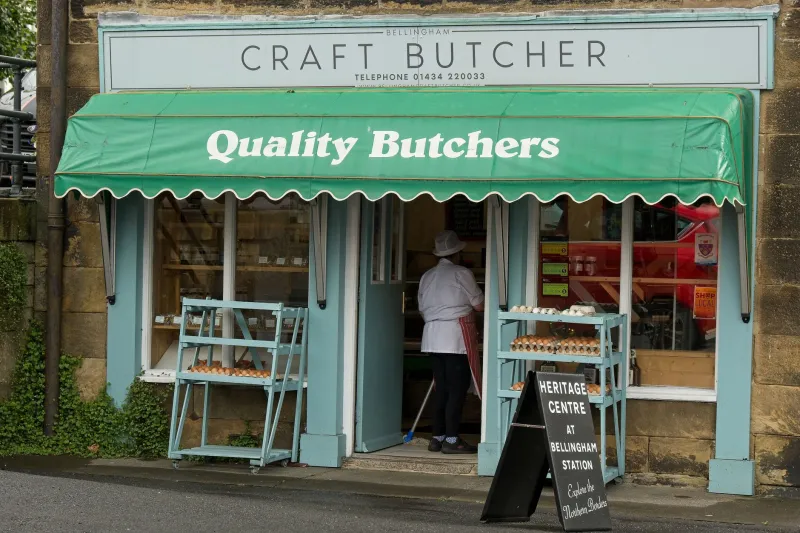
For a while there, it looked like the game was up. Supermarkets had the pricing power, the car parks, and the convenience. The independent butcher — with their sawdust floors, handwritten chalkboards, and hard-won expertise — seemed destined to become a nostalgic footnote rather than a functioning part of everyday British food culture.
That story, it turns out, was written too soon.
Across the UK, independent butchers are not just surviving — they're growing. And if you look closely at what's driving that growth, the poultry counter sits right at the heart of it.
The Numbers Don't Lie
The Q Guild of Butchers, which represents independent meat retailers across Britain, has reported a steady increase in membership and turnover figures that would have seemed optimistic even five years ago. The pandemic played a role, of course — panic buying stripped supermarket shelves bare and sent shoppers hunting for reliable local alternatives. But what's more telling is that many of those shoppers never went back.
A 2023 survey by the Agriculture and Horticulture Development Board found that consumer interest in provenance — knowing where your food comes from and how it was raised — had continued to climb well beyond the lockdown years. For poultry specifically, this shift has been significant. Chicken remains the UK's most consumed meat, and when people start asking questions about how it was reared, the independent butcher is far better placed to answer them than a faceless supermarket shelf.
What Supermarkets Can't Sell You
Walk into a good independent butcher and ask where their chickens come from. You'll get an answer. Often a detailed one. The farmer's name, the county, the breed, sometimes the specific rearing method. That kind of conversation is simply not available at a supermarket checkout.
This matters more than it might sound. British consumers have become increasingly wary of the welfare and quality standards behind cheap supermarket poultry. High-profile investigative journalism, documentary films, and a growing network of food-conscious social media voices have all contributed to a public that's more sceptical — and more curious — than ever before.
Independent butchers have capitalised on this not through marketing campaigns or loyalty card schemes, but simply by being what they've always been: knowledgeable, accountable, and present.
"People come in and they want to know the story," says one Devon-based butcher who has operated his shop for over two decades. "They're not just buying a chicken. They want to know it was well kept, that it had space, that the farmer they're supporting is doing things properly. I can tell them that because I know exactly who I'm buying from."
Farm Shops and Market Stalls: The Wider Picture
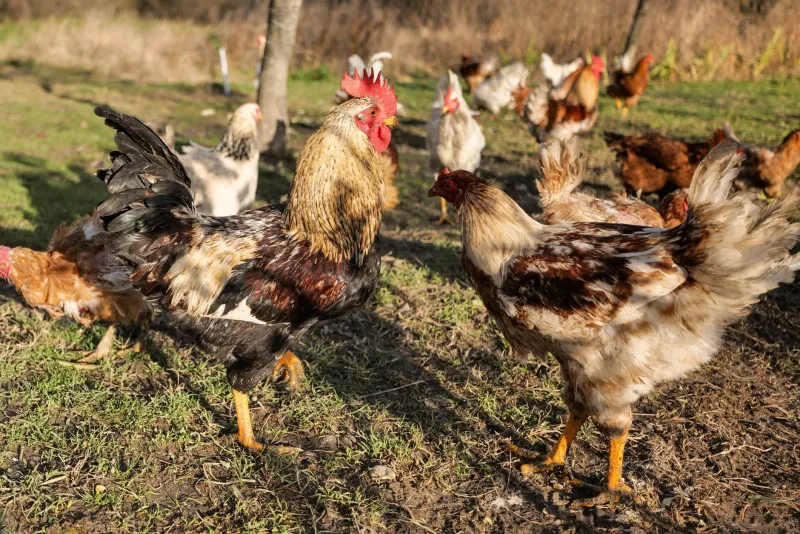
It's not just traditional high street butchers driving this trend. Farm shops — many of them attached to or closely affiliated with working poultry farms — have seen remarkable footfall increases. The appeal is obvious: customers can sometimes see the land their food was raised on, speak directly with producers, and buy birds that were processed within miles of where they're standing.
Farmers' markets, too, have evolved from weekend novelty into genuine weekly shopping destinations for a growing segment of the population. Poultry stalls at these markets often sell out before midday. The birds are frequently heritage breeds or slow-grown varieties that supermarkets simply don't stock — and that scarcity, combined with quality, creates genuine demand.
This direct-to-consumer model benefits everyone along the chain. Farmers receive a fairer price for their birds. Butchers and market traders build loyal customer relationships. And shoppers get poultry that tastes, frankly, better — because it was reared more slowly, with more care, and without the compromises that volume production inevitably demands.
The Traceability Argument
One of the most compelling advantages the independent sector holds over supermarkets is traceability — the ability to track a product back through the supply chain to its origin. For poultry, this is particularly relevant given the historical controversy around country-of-origin labelling and the complex international supply chains that feed the major retailers.
The 2013 horsemeat scandal rattled British consumer confidence in processed food in ways that are still being felt. While poultry wasn't directly implicated, the episode fundamentally changed the conversation around food provenance. Shoppers who had never previously thought about supply chains suddenly wanted to understand them.
Independent butchers were well positioned to benefit. Their supply chains are, by necessity, shorter and more transparent. Many source from a handful of trusted farms, some of them nearby. That simplicity is a genuine commercial advantage in a post-horsemeat world.
Price: The Elephant in the Room
It would be dishonest not to address cost. Independent butchers are not cheap, and in a period of sustained cost-of-living pressure, price matters enormously to most British households.
The counterargument — and it's a strong one — is that quality poultry bought from an independent butcher goes further. A properly reared bird with good fat coverage and dense muscle from slower growth will yield more flavour, hold together better during cooking, and produce a stock from its carcass that a supermarket bird simply cannot match. Buy less, eat better, waste nothing: it's a philosophy that independent butchers and conscientious farmers have been quietly advocating for years.
There's also the matter of cutting to order. A good butcher will break a bird down however you need it, advise on the most economical cuts for a given recipe, and help you make the most of the whole animal. That kind of practical guidance has genuine monetary value, even if it doesn't appear on a price tag.
What Comes Next
The resurgence of independent poultry retail isn't a guaranteed long-term trend. Supermarkets are not standing still — several major chains have invested in premium own-label ranges with clearer welfare credentials, and some have introduced in-store butchery counters in an attempt to recapture the personal-service feel.
But there's a reason those counters feel slightly hollow compared to the real thing. The relationship between a skilled, independent butcher and their regular customers is built on years of trust, consistency, and genuine expertise. That's not something you can replicate with a rebrand.
For British poultry farming at its best — the slow-grown birds, the heritage breeds, the farms where welfare genuinely comes first — the independent retail channel is not just a sales route. It's a lifeline. And right now, more British shoppers than at any point in recent memory are choosing to use it.