Twelve Months on the Farm: The Unseen Work Behind Every Bird We Raise
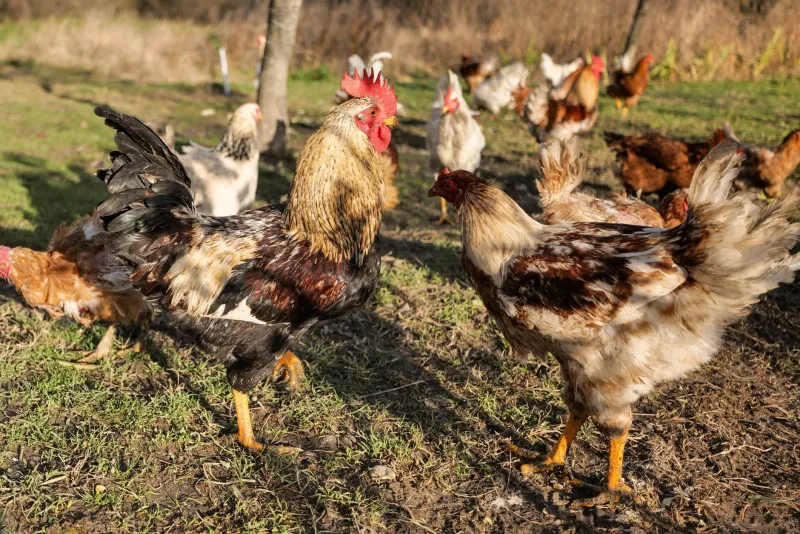
There's a version of British farming that lives in the popular imagination — rolling fields, unhurried rhythms, a life governed by the seasons in a reassuringly predictable way. The reality, for anyone who works with livestock, is considerably more demanding than that picture suggests.
Poultry farming in particular is relentless. The birds require daily attention every single day of the year. There are no holidays from the morning checks, no weeks off from monitoring flock health, no pause in the infrastructure maintenance that keeps a working farm operational and safe. What looks from the outside like a simple, bucolic enterprise is in practice a complex, skill-intensive business that runs on expertise, vigilance, and an enormous amount of physical effort.
This is what a year on a British poultry farm actually looks like.
January and February: The Quiet That Isn't
Winter on the farm looks quiet. The fields are empty or resting. There are fewer visitors, fewer deliveries, fewer obvious signs of activity. But behind the scenes, January and February are among the most important planning months of the year.
This is when breeding programmes are reviewed and adjusted. Farmers working with heritage or traditional breeds assess their breeding stock carefully — identifying the strongest birds for the coming season, making decisions about which lines to continue and which to retire. It's meticulous, patient work that has a direct bearing on the quality of birds produced eight or ten months down the line.
Feed management also comes under scrutiny in the winter months. With birds spending more time inside during cold or wet weather, nutritional planning becomes more precise. Feed formulations are reviewed, supplier relationships are assessed, and any changes to the coming season's feeding programme are mapped out carefully.
Infrastructure maintenance is another major winter task. Sheds, housing, fencing, water systems, and ventilation equipment all need inspection and repair. Doing this work in the quieter months means it's complete before the busier spring and summer periods, when there's simply no time.
March and April: New Arrivals and the First Flush of Spring
Spring is when the farm visibly comes back to life. For many poultry farmers, March and April bring the first new arrivals of the year — day-old chicks or hatching eggs, depending on whether the farm breeds its own stock or sources from a specialist hatchery.
This is one of the most labour-intensive periods in the farming calendar. Young chicks require carefully controlled environments: precise temperatures, adequate ventilation, appropriate feed and water access, and constant monitoring for signs of stress or illness. A problem in the first two weeks of a bird's life can have lasting consequences, so this period demands close, experienced attention.
Outside, spring also means pasture preparation. Farmers who operate free-range or pasture-raised systems need to manage their land carefully — rotating grazing areas, reseeding where necessary, and ensuring that the ground conditions will support outdoor access once the weather settles.
May and June: The Growing Season
By late spring, the farm is in full operational swing. Birds are growing, outdoor access is in full use, and the daily rhythm of feeding, health monitoring, and husbandry is at its most demanding.
Health checks are central to this period. Experienced farmers develop an intuitive sense of what a healthy, thriving flock looks and sounds like — and any deviation from that baseline is investigated promptly. Biosecurity protocols, which govern how people and equipment move between different areas of the farm, are maintained rigorously throughout the year but are particularly important during the spring and summer months when wild bird activity is at its peak.
This is also the time when many farms welcome educational visitors — schools, community groups, and interested customers who want to understand where their food comes from. That kind of open-farm engagement matters to us at Pleystowe; it's part of how trust between producers and consumers is built and maintained.
July and August: Heat Management and Summer Demands
Summer brings its own particular challenges, and the British weather — increasingly unpredictable in recent years — keeps farmers permanently on their toes. Heat stress is a genuine welfare concern for poultry, and managing flock comfort during warm spells requires active intervention: adjusted ventilation, modified feeding schedules, and careful monitoring of water intake.
For farms supplying the summer catering and hospitality trade, this is also a commercially significant period. Weddings, outdoor events, and the general uplift in food service activity mean that demand is high and supply chains need to be well managed. Communication between the farm, the butcher, and the end customer becomes particularly important.
Summer is also when many farmers begin thinking seriously about the autumn and Christmas season — arguably the most commercially important period of the year for premium poultry producers. Planning for Christmas starts in July. Breed selection, flock sizing, and processing slot bookings all need to be in place months before the birds are anywhere near ready.
September and October: Autumn Rhythms
Autumn is a transitional time on the farm, and for many farmers it's their favourite season. The harvest is in, the light changes, and the birds — particularly the geese and ducks that come into their own at this time of year — are beginning to develop the fat cover and depth of flavour that makes autumn poultry so special.
Michaelmas, traditionally the 29th of September, has historically marked the beginning of the goose season in Britain, and many farms still observe this rhythm. Birds that have been growing through the summer on pasture are at their finest in October and November, and the farm is busy with finishing — the final weeks of a bird's life, managed carefully to achieve the ideal weight and condition for the table.
This is also when wild game comes into season, and for farms that operate alongside game estates or supply to game dealers, autumn brings additional complexity and opportunity.
November and December: The Christmas Rush
No honest account of a British poultry farmer's year can avoid the reality of Christmas. For farms producing premium birds — geese, bronze turkeys, free-range chickens destined for the Christmas table — November and December are the most intense weeks of the entire year.
Processing schedules run at full capacity. Order fulfilment requires precise coordination. The physical demands on farm staff are significant, and the margin for error is essentially zero. A bird that misses its processing slot, or that doesn't meet the quality standard the customer expects, represents a failure that can't be undone.
And yet, for all the pressure, most farmers will tell you that Christmas is also the time when the work feels most meaningful. The bird that a family sits down to on the 25th of December represents a full year of planning, care, and expertise. That connection between effort and outcome — between the quiet work of January and the celebratory meal of December — is what farming at its best is really about.
What This Means for the Food You Buy
Understanding the year behind a quality British poultry bird changes the way you think about what you're buying. The price difference between a carefully reared farm bird and a budget supermarket chicken isn't arbitrary — it reflects twelve months of skilled work, proper animal husbandry, and a genuine commitment to doing things the right way.
At Pleystowe, we think that story is worth knowing. Not because it makes you feel obliged to spend more, but because it makes the food on your table more meaningful — and, we'd argue, considerably more delicious.