Don't Pour It Away: The Lost Art of Saving Poultry Dripping
Somewhere along the line, we stopped saving the fat. It happened gradually — the rise of bottled vegetable oils, a cultural shift away from anything that felt indulgent, and the growing convenience of a kitchen spray that promised to do the same job with none of the fuss. But in quietly discarding the dripping from our roasting tins, we threw out something genuinely valuable: flavour, economy, and a connection to the way British cooks once worked.
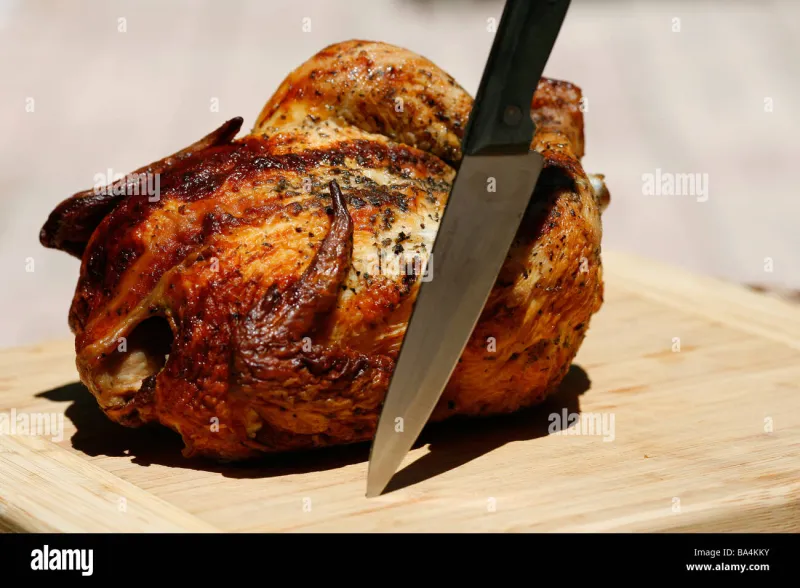
Rendered poultry fat — whether from chicken, duck, or goose — is not a relic. It's a resource. And if you've been roasting birds at home without collecting what runs off them, now is an excellent time to start.
A Brief History of British Dripping
Before the mid-twentieth century, rendered animal fat was a kitchen staple in households across Britain. Bread and dripping — a thick scraping of rendered beef or poultry fat on a slice of bread, sometimes seasoned with the dark jelly from the bottom of the roasting tin — was a common meal for working families. Nothing was wasted. The fat from Sunday's roast seasoned Monday's vegetables and enriched Tuesday's pastry.
The shift away from animal fats was driven partly by post-war rationing adjustments, partly by changing nutritional advice (much of which has since been revised), and partly by the food industry's push towards shelf-stable, neutral-flavoured oils. The result was a generation of cooks who learned to cook without dripping — and forgot what they were missing.
Duck and goose fat never entirely disappeared from British kitchens, largely because roast potatoes cooked in goose fat became a Christmas tradition too good to give up. But chicken fat — schmaltz, as it's known in Jewish cooking traditions — has been almost entirely overlooked in mainstream British food culture, despite being equally useful and far more readily available.
How to Render and Store Poultry Fat
Rendering fat at home is simpler than it sounds, and the results keep well. Here's how to do it properly.
From a roasting tin: After roasting a whole chicken, duck, or goose, pour the collected fat and juices from the tin into a heatproof jug. Leave it to settle for ten minutes — the fat will rise to the top and the meat juices will sink. Carefully pour or spoon the fat into a clean jar, leaving the darker liquid behind (save that separately; it makes an excellent base for gravy). Seal the jar and refrigerate.
From raw fat or skin: If you have surplus skin or raw fat — from a butcher's trim, for example — place it in a heavy-bottomed pan over a low heat with a splash of water to prevent scorching. Cook gently, stirring occasionally, until the fat has rendered out and the skin has turned golden and crisp. Strain through a fine sieve or muslin cloth into a clean jar. The crisped skin, incidentally, makes a brilliant cook's snack with a pinch of salt.
Storage: Properly rendered poultry fat will keep in the fridge for up to a month, or in the freezer for six months or more. It should be pale yellow and odourless when cool. Any off smell suggests it has been contaminated with water or impurities — start fresh if in doubt.
What to Do With It
Once you've got a jar of rendered fat in the fridge, you'll be surprised how quickly you reach for it. Here are some of the best uses:
Roast potatoes: This is the obvious one, and for good reason. Duck or goose fat produces a crust on a roast potato that vegetable oil simply cannot replicate — shattering and golden, with a depth of flavour that makes them almost a dish in their own right. Chicken fat works similarly well.
Sautéed vegetables: A spoonful of chicken fat in a pan before adding leeks, cabbage, or root vegetables adds richness without overwhelming the ingredient. It's particularly good with anything that benefits from a savoury, meaty note — Brussels sprouts, cavolo nero, or sweated onions for a pie filling.
Pastry: This is perhaps the most undersung application. Replacing half the butter or lard in a shortcrust pastry recipe with rendered chicken fat produces a crust with a subtle savoury depth that pairs beautifully with chicken and leek pie, or a pot of braised rabbit. The fat has a higher water content than lard, so handle the pastry lightly and keep everything cold.
Confit: Duck fat is the traditional medium for confit duck legs, but chicken fat works well for slower preparations — confit garlic, for instance, or slow-cooked onions that will form the base of a tart.
Toast and dripping: Yes, really. Season your rendered fat with a little flaky salt and spread it on hot toast. Add a scraping of the dark jelly from the bottom of the roasting tin if you have it. This is not a nostalgic affectation — it's genuinely excellent.
The Food Waste Argument
Beyond the culinary case, there's a straightforward economic and ethical one. A good free-range chicken costs more than a factory-farmed bird, and rightly so — the animal had a better life, and the farmer was paid a fairer price. Throwing away the fat from that bird, then buying a bottle of rapeseed oil to cook the vegetables, is a strange kind of wastefulness.
Whole-bird thinking — using every part of what you've bought, from the carcass for stock to the fat for cooking — is both traditional and sensible. It's the approach that sustained British home cooks for generations before convenience became the dominant value in the kitchen.
At Pleystowe Poultry, we believe in getting the most from every bird. The fat is part of that. It's not a by-product to be discarded — it's an ingredient worth treating with the same care as the meat itself.
One Last Thought
If you take nothing else from this, take the jar. Next time you roast a chicken, set a clean jar on the counter before you start carving. Pour the fat in. Put it in the fridge. See what you reach for it to do first.
Chances are, you won't go back to tipping it down the sink.