Beyond the Chicken: Why Duck, Goose, and Guinea Fowl Deserve a Seat at Your Table
British food culture has a complicated relationship with variety. We're adventurous in some ways — curry nights, tapas, anything that's had a moment on a cooking show — but when it comes to the weekly shop, we tend to retreat to the familiar. Chicken breast. Maybe a whole bird at the weekend. Repeat.
There's nothing wrong with that, of course. Chicken is versatile, affordable, and reliably good when it comes from a decent source. But Britain has a rich tradition of eating a much wider range of poultry than most of us currently bother with, and the birds that have quietly fallen out of everyday cooking — duck, goose, guinea fowl — are well worth bringing back in.
Here's what you need to know about each of them.
Duck: Rich, Forgiving, and Genuinely Delicious
Duck is probably the most approachable of the three, and the most widely available outside of a chicken aisle. You'll find whole Gressingham ducks in most farm shops, good independent butchers, and increasingly at farmers' markets. Pekin and Aylesbury ducks — both British breeds with long histories — are also well worth seeking out when you can find them.
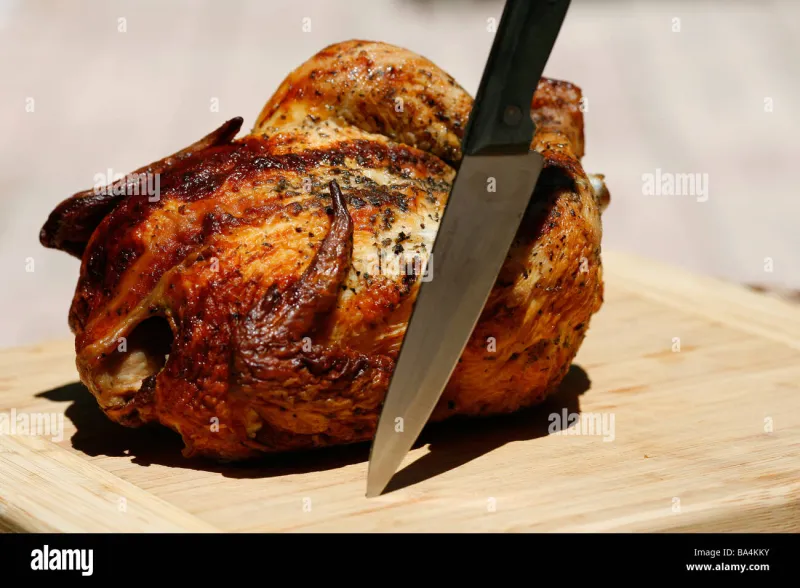
What makes duck special is its fat. A well-reared duck carries a generous layer of subcutaneous fat beneath the skin, which renders down during cooking to baste the meat from the outside while keeping it moist from within. The result, when you get it right, is skin that shatters like lacquer and meat that stays tender even if you've been slightly impatient with the oven temperature.
Duck legs are probably the best entry point if you're new to cooking the bird. Slow-braised with a little red wine, some thyme, and a handful of shallots, they're deeply satisfying and almost impossible to ruin. The legs are also considerably cheaper than breast portions, which makes them an excellent weeknight option.
Duck breasts require a slightly more attentive hand — they're best cooked medium to medium-rare, rested properly, and sliced against the grain. The flavour is rich and slightly gamey, sitting somewhere between the mildness of chicken and the intensity of a proper game bird. It pairs beautifully with fruit — plums, cherries, orange — and with the earthiness of lentils or root vegetable purées.
Seasonality: Duck is available year-round, but wild duck is seasonal — September through January in the UK. Farmed duck is excellent throughout autumn and winter.
Nutritional note: Duck is higher in fat than chicken but also higher in iron and B vitamins, and the fat itself is more monounsaturated than many people assume.
Goose: The Bird That Christmas Forgot
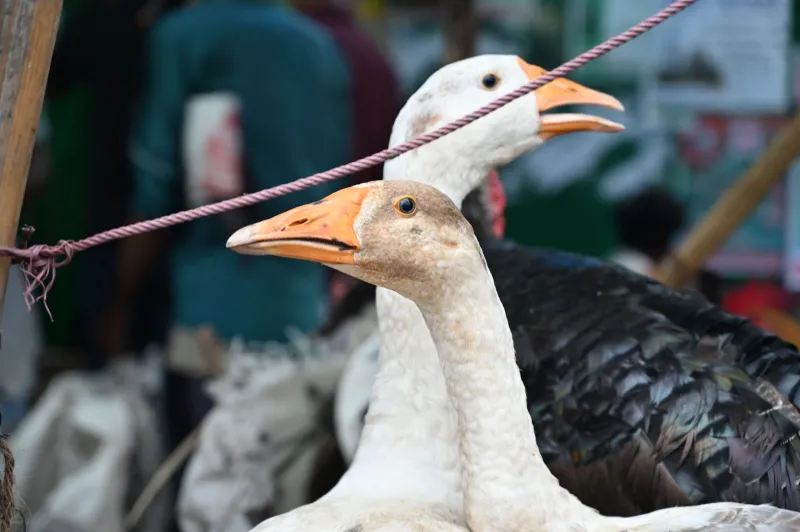
Ask most British people about goose and they'll tell you it's a Christmas bird. Full stop. Which is a shame, because it reduces one of the great roasting birds to a once-a-year novelty — and means most people never quite get comfortable enough with it to cook it well.
Goose is seasonal in a way that genuinely matters. British geese are typically available from Michaelmas (late September) through to Christmas, with the peak of quality landing in November and December when the birds have fattened naturally on autumn pasture. This is a bird that genuinely tastes of the time of year, in a way that mass-produced poultry simply doesn't.
The key thing to understand about goose is the fat yield. A good-sized goose will produce an extraordinary quantity of rendered fat — pale gold, deeply savoury, with a slightly sweet quality that makes it one of the finest cooking fats available. Roast potatoes cooked in goose fat are not a cliché; they're a genuinely different experience from anything done in vegetable oil. Save every drop.
The meat itself is all dark — there's no white breast meat in the way you'd find on a chicken or turkey. It's rich, slightly mineral, and intensely flavoured. A classic stuffing of prunes and chestnuts, or a sharper apple and sage combination, helps balance that richness. Don't overcook it; goose is best served slightly pink at the breast.
Sourcing is the main challenge. Goose isn't something you'll find at the average supermarket in any meaningful form. Your best bet is a local farm shop, a specialist poultry farmer, or an independent butcher who sources from a known supplier. Order ahead — good geese sell out quickly.
Seasonality: Michaelmas to Christmas. Pre-order is strongly advised.
Serves: A 4–5kg goose will feed 4–6 people generously.
Guinea Fowl: The Underdog Worth Knowing
Of the three, guinea fowl is probably the least familiar to most British home cooks — which is part of what makes it such a rewarding discovery. Originally from West Africa and introduced to British farming centuries ago, guinea fowl occupies an interesting culinary middle ground: it has more flavour and character than chicken, but without the full gamey intensity of pheasant or partridge.
The birds are lean — leaner than chicken, in fact — with a firm texture and a slightly nutty, aromatic quality that responds brilliantly to herbs. Tarragon, thyme, and rosemary all work well. Because of that leanness, guinea fowl benefits from a little added fat during cooking — a generous smear of butter under the skin before roasting, or a lid on the pan during braising, will keep it from drying out.
Guinea fowl is often described as a gateway bird for people curious about game cooking. It has the rusticity and depth of flavour that game birds offer, without the need to track down a specialist game dealer or navigate the strict seasonal availability of pheasant. It's available from most good farm shops and specialist poultry suppliers throughout the year, though autumn is when many farmers consider the birds at their best.
The whole bird roasts beautifully in around an hour and feeds two to three people. It's also excellent jointed and cooked in a creamy mustard sauce — a classic French preparation that translates perfectly to the British kitchen.
Seasonality: Available year-round; best in autumn.
Tip: Guinea fowl crowns (the breast on the bone) are a good option for smaller households and cook more quickly than a whole bird.
Where to Find These Birds
The honest answer is that none of these birds will turn up in your weekly supermarket shop with any regularity. That's actually part of the point — buying duck, goose, or guinea fowl means engaging with a different kind of food shopping. Farm shops, farmers' markets, and independent butchers with good poultry suppliers are your best routes.
At Pleystowe, we work hard to make quality birds accessible to people who care about where their food comes from. It's worth building a relationship with a local supplier who knows their birds — you'll get better advice, better product, and often a better price than you'd expect.
A Final Word
None of these birds are difficult. They require a little more attention than a supermarket chicken breast, and they reward that attention handsomely. More than anything, they reconnect you with the genuine seasonality and variety that British poultry farming has always had to offer — and that's something worth rediscovering.