Why Britain's Best Chefs Are Skipping the Middleman and Calling the Farm Directly
There's a phone call that a growing number of British chefs are making these days — not to their usual wholesaler, not to a national distributor, but directly to a farm. It's a small change in behaviour, but the implications ripple out in every direction: into the quality of the food, the economics of farming, the creativity of the kitchen, and the conversations happening between chefs and the people who raise their birds.
At Pleystowe, we've been part of that conversation. And from where we stand, what's happening in professional kitchens across Britain right now is genuinely exciting.
The Problem with the Traditional Supply Chain
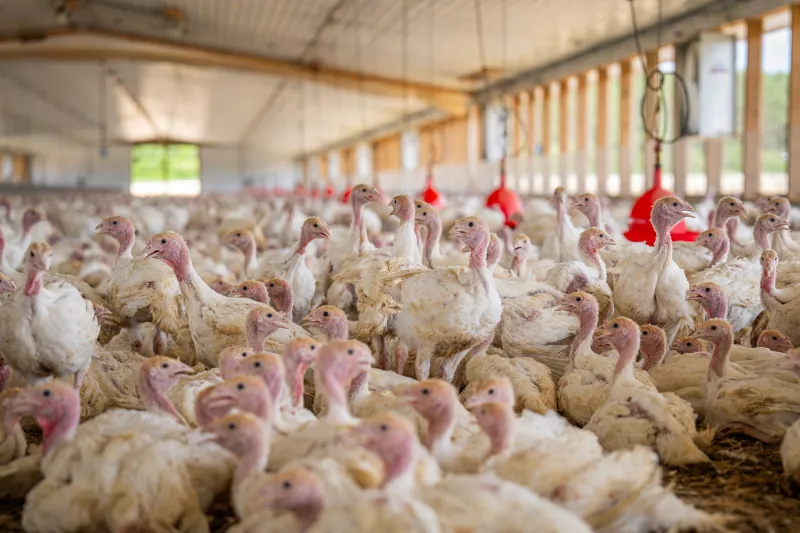
For most of the latter half of the twentieth century, the relationship between restaurant and farm was almost entirely mediated by wholesale suppliers. A chef would call in an order — chicken portions, duck breasts, a case of poussin — and a van would arrive. Efficient, certainly. But the chef rarely knew which farm the bird came from, what it had been fed, how it had been reared, or when it had been processed.
That anonymity suited a certain era of British restaurant culture. Speed and consistency were prized above all else, and the provenance of ingredients was largely considered the concern of the customer who cared to ask, not the kitchen that prepared them.
But British food culture has shifted substantially. Diners are more informed, more curious, and more willing to pay for food that comes with a genuine story. And a growing cohort of chefs — particularly those running independent, chef-led restaurants outside of the big city centres — found that the traditional supply chain simply couldn't give them what they wanted.
What Direct Sourcing Actually Looks Like
The mechanics of a farm-direct relationship vary, but the principles are consistent. A chef makes contact with a farm — often through word of mouth, a food event, or simply by doing their research — and the two parties work out an arrangement that suits both sides. The farm might reserve specific cuts or whole birds for the restaurant. The chef might commit to taking a certain volume each week, providing the farmer with the forward planning that makes a real difference to how a small operation runs.
What the chef gets in return is something the wholesale catalogue can't provide: specificity. They know the breed. They know the rearing method. They know when the bird was processed and how it was hung. That information shapes everything from the menu description to the cooking technique — a slow-grown, properly hung chicken behaves differently in the pan and on the plate compared to a quickly reared bird with a high water content.
Some chefs go further still, visiting the farm regularly, understanding the seasonal rhythms of production, and building menus that genuinely reflect what's available rather than what's convenient. That's a level of engagement with ingredients that would have seemed unusual in many British restaurants twenty years ago. Today, it's increasingly seen as standard practice among serious cooks.
The Difference It Makes on the Plate
It's one thing to talk about provenance in the abstract. It's another to taste the difference, and anyone who has eaten a dish built around a properly reared, farm-direct bird will likely remember it.
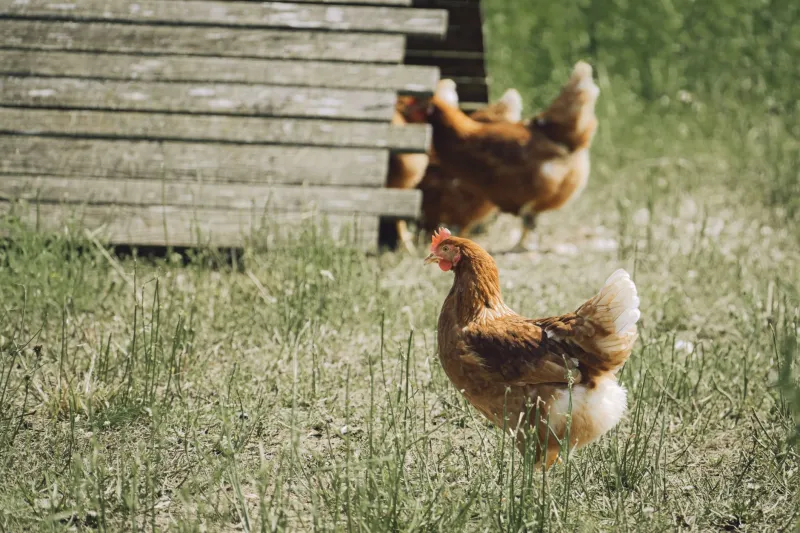
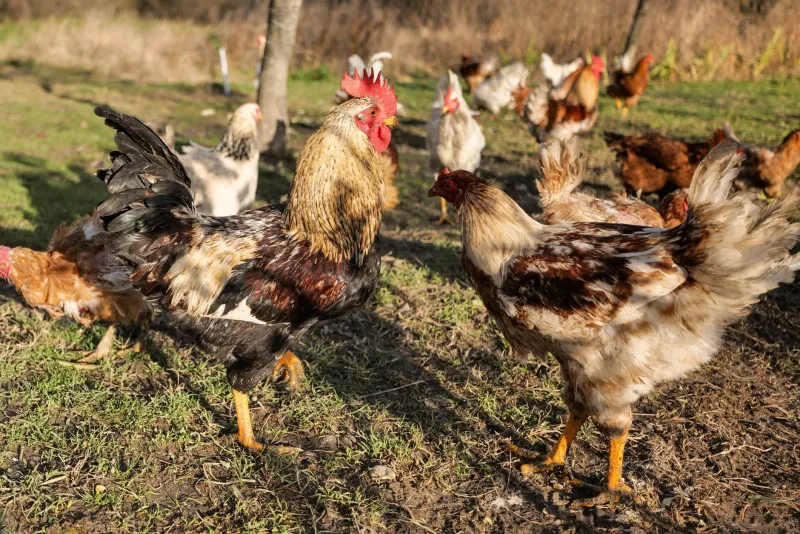
Slower-growing breeds — heritage varieties and crosses that take twelve to sixteen weeks or more to reach maturity, compared to the five to six weeks of commercial fast-grow birds — develop denser muscle, more distributed fat, and a depth of flavour that's simply absent from standard commodity poultry. When a chef has access to birds like these on a consistent basis, and knows exactly what they're working with, the cooking changes. Less intervention is needed. Simpler preparations work better. The ingredient does more of the talking.
Chefs who source direct also tend to work with whole birds rather than pre-portioned cuts, which changes the economics and the creativity of the kitchen. Carcasses become stock. Livers go into starters. Legs are braised separately from breasts. The whole-bird approach reduces waste and forces a more thoughtful engagement with the ingredient — which, as any experienced cook will tell you, tends to produce better food.
What It Means for British Farming
The benefits don't flow only one way. For farms like Pleystowe, direct relationships with restaurants offer something that wholesale supply rarely does: a genuine dialogue with the people using our produce.
When a chef calls to discuss a specific breed they'd like to try, or asks whether we can supply birds at a particular age or weight, that conversation feeds directly back into how we plan our production. It's a relationship built on mutual interest rather than a purely transactional exchange. The farm gets fair prices, predictable demand, and the satisfaction of knowing exactly where its birds end up. The chef gets quality, transparency, and a story worth telling.
There's also a broader cultural dimension. When a respected restaurant credits a named farm on its menu — and diners ask about it, read about it, perhaps even visit — it raises the profile of British poultry farming in a way that no marketing campaign could replicate. It positions well-reared British birds as a premium ingredient worthy of serious culinary attention, which is exactly what they are.
The Home Cook Connection
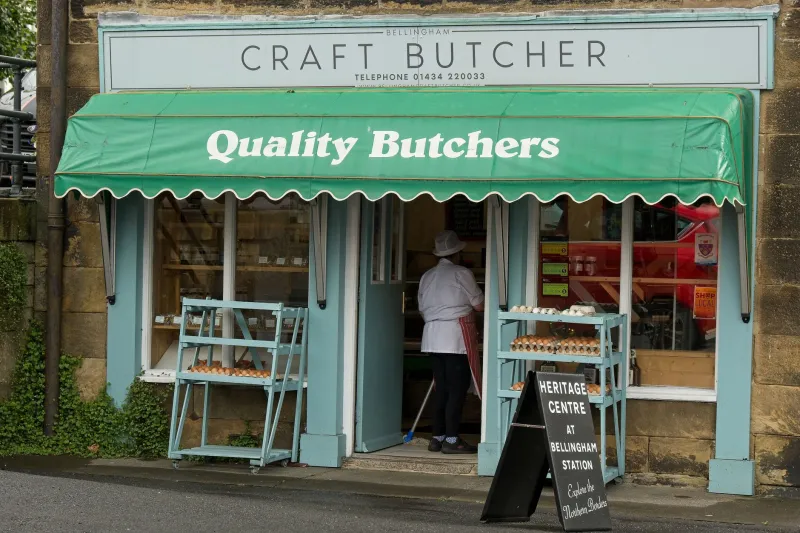
None of this is irrelevant to the home cook. In fact, it's directly applicable. The same principles that drive chefs towards direct sourcing — knowing your producer, understanding rearing methods, choosing quality over convenience — are available to anyone willing to seek out a good butcher, a farm shop, or a direct-from-farm supplier.
When you buy a chicken from a farm you trust, you're participating in the same supply chain that's reshaping British restaurant kitchens. You're supporting the farming practices that make genuinely good poultry possible, and you're getting a better ingredient to cook with. That's not a small thing.
A Shift Worth Watching
The movement towards direct farm-to-kitchen sourcing in British restaurants isn't a trend that will fade when the next food fad arrives. It's rooted in something more durable: a genuine desire for quality, transparency, and a meaningful connection between the people who raise food and the people who cook it.
At Pleystowe, we've always believed that the farm and the kitchen belong in conversation with each other. It's good to see the rest of the country catching up.