Twelve Seasons, One Farm: The Month-by-Month Reality of Raising British Poultry
Ask anyone outside of farming what a poultry farmer does in February, and they'll probably shrug. Ask them about August, and you might get a blank look. The truth is, the work on a poultry farm shifts dramatically from one month to the next — and those shifts aren't arbitrary. They're driven by daylight hours, temperature swings, natural breeding cycles, and the particular stubbornness of British weather doing whatever it pleases.
At Pleystowe, we've always believed that the more our customers understand about how their birds are raised, the more they appreciate what arrives at their table. So here's a straightforward, honest run-through of what our year actually looks like — and why each season demands something different from us.
January and February: The Quiet Before the Stir
Mid-winter is the closest thing to a lull that poultry farming ever offers. The days are short, and that matters enormously. Laying hens and breeding stock respond directly to light levels — fewer daylight hours suppress reproductive activity, which means egg production drops and natural breeding slows right down. For free-range and pasture-raised flocks, birds spend more time sheltering than ranging. That's entirely normal, and we'd rather work with that instinct than fight it.
Feed management becomes critical in these months. Birds burn more energy maintaining body temperature, so rations need to be adjusted accordingly — more energy-dense feed, careful monitoring of consumption, and keeping a close eye on water supplies that can freeze overnight. January and February are also when we carry out much of our infrastructure work: repairing housing, reviewing ventilation systems, and making sure everything is in good order before the busier months arrive.
March and April: The Farm Wakes Up
As daylight extends past thirteen hours, the whole farm shifts gear. Breeding activity picks up noticeably — cockerels become more attentive, fertility rates improve, and if you're running a breeding flock, this is the window you've been preparing for since autumn. Incubation programmes typically ramp up through March and April to produce birds that will be ready for the late summer and autumn market.
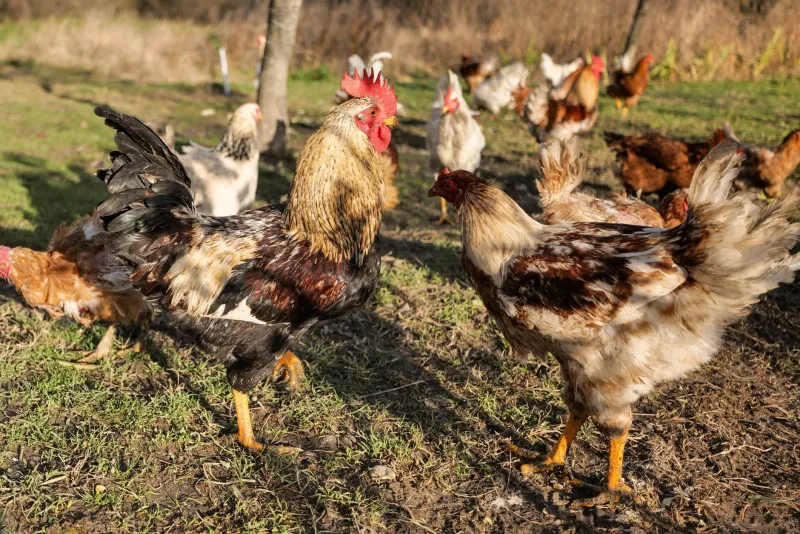
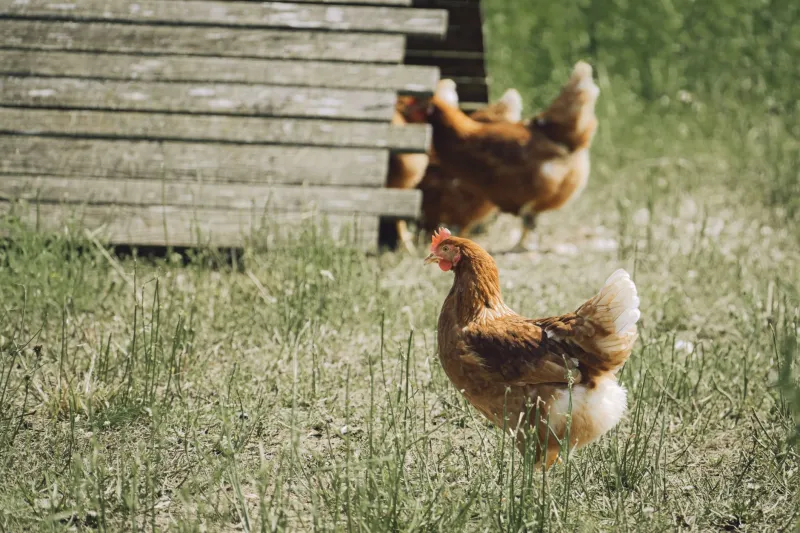
Pastures start to green up, which is genuinely exciting after months of muddy ground. Free-range birds begin ranging further and more enthusiastically. That's good for welfare and good for flavour — birds that move, forage, and engage with their environment develop better muscle tone and more complex fat profiles. Spring grass also brings its own feed value, which we account for when balancing rations.
One challenge this time of year: unpredictable weather. A warm week followed by a cold snap can stress younger birds, and respiratory issues can flare up if ventilation isn't managed carefully during temperature swings.
May and June: Peak Activity
Late spring into early summer is arguably the most demanding period on the farm. Chick batches from spring incubation are growing fast, requiring close monitoring for health, growth rates, and behaviour. Stocking densities, bedding quality, and ammonia levels all need constant attention as temperatures rise.
This is also when mite and parasite pressure increases. Red mite in particular is a persistent problem for British poultry keepers — warm nights create ideal breeding conditions, and infestations can take hold quickly if not caught early. Regular checks of housing, perches, and nest boxes are non-negotiable from May onwards.
On the pasture side, grass management becomes important. Rotating birds across paddocks prevents overgrazing and reduces disease pressure from ground that's been heavily used. It takes planning, but it pays off in healthier soil and healthier birds.
July and August: Heat, Moult, and Management
British summers rarely get truly brutal, but even modest heat can cause problems for poultry. Birds don't sweat — they pant to regulate body temperature, and in poorly ventilated housing, heat stress can affect growth rates, egg production, and in severe cases, bird health. Good shade, adequate water supply, and thoughtful stocking density are the practical answers.
Late summer also brings the first signs of moult in older birds. Moulting — the natural process of shedding and regrowing feathers — is triggered by shortening days and is a normal part of a bird's annual cycle. During moult, hens typically stop laying, and birds look frankly rather sorry for themselves. It's a vulnerable period: feather loss means reduced insulation and increased energy demands. Feed protein levels need to go up to support feather regrowth.
September and October: Harvest Season
Autumn is when the farm's work translates most directly into what you see on your plate. Birds reared through spring and summer are reaching their prime, and the cooler temperatures of early autumn mean excellent conditions for processing and hanging. There's a reason autumn poultry has always had a special place in British food culture — the birds have had a full season of growth, and it shows in the quality of the meat.
Breeding flocks are wound down or rested, and planning begins for the following year. Feed stores are assessed, housing is prepared for winter, and any birds not being carried through to the new breeding season are processed. It's a busy, productive time — and genuinely satisfying after the work of the preceding months.
November and December: The Christmas Push and the Wind-Down
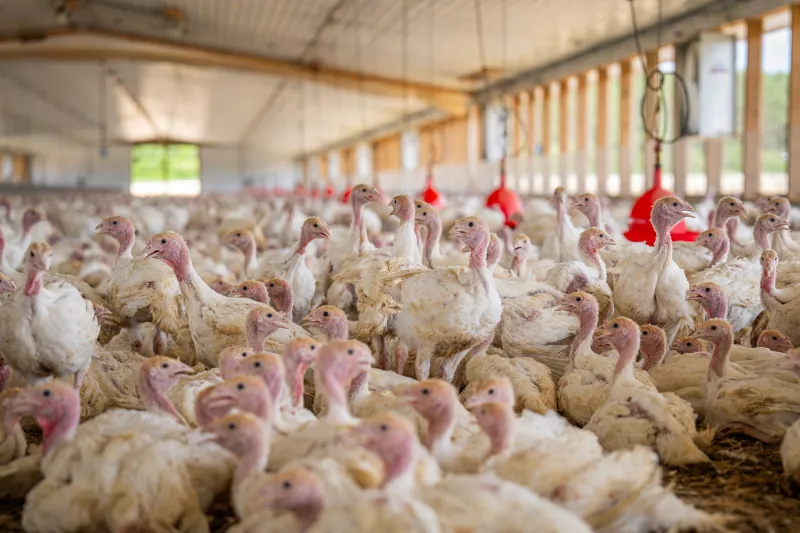
For any British poultry farmer, November and December mean one thing above all else: Christmas. Demand for whole birds — geese, turkeys, large chickens — peaks sharply, and the logistics of meeting that demand while maintaining welfare standards is a real test of organisation. Birds destined for Christmas tables will have been planned for since the spring, and by November, the timeline is fixed.
Once the Christmas rush is through, the farm quietens again. Stock numbers are at their lowest, daylight is at its shortest, and there's finally time to reflect on the year, carry out maintenance, and prepare for the cycle to begin once more.
Why Any of This Matters to You
Understanding the farming calendar isn't just academic. It explains why genuinely free-range, naturally reared British poultry costs what it does, why availability varies across the year, and why a bird raised with respect for these natural rhythms tastes different from one that's been pushed through an accelerated production cycle.
At Pleystowe, we follow the seasons because that's how good farming works. And we think it's worth sharing — because the more you know about where your food comes from, the better choices you can make.